

Fiction Reactions

Not doing a YouTube face - but yeah, doing some kind of reaction post here. I wouldn’t be so daft as to name these things ‘reviews’; too bitty, too partial, too undisciplined, my dear. But I’m reading a lot again - and if this helps anyone else find and read things they might like, that’s some kind of public service, yeah? Because I’m reading, I might as well blurt out on here what happened to me when I did it, right?

If you missed my first post where I did quick reaction-assessments to a few novels - here’s the link. I’m reading so much, I can’t react or make public assessment of it all, but I’m doing a few, and I’ll be doing more. It’s a good discipline; and we all know that I can never do any activity without getting a bit earnest and nerdy and - quite frankly - over-involved in it, ahem. Here we gooooooo …
The Class of 2000, by John Pistelli
As part of writing my campus novel, I’m reading everything I can get my hands on that relates to universities, colleges, schools. This has filled up my e-reader with some right shockers and several daft tales in the Dark Academia genre. (See my - I’m sorry - negative reaction in my last round-up, to The Drownings).
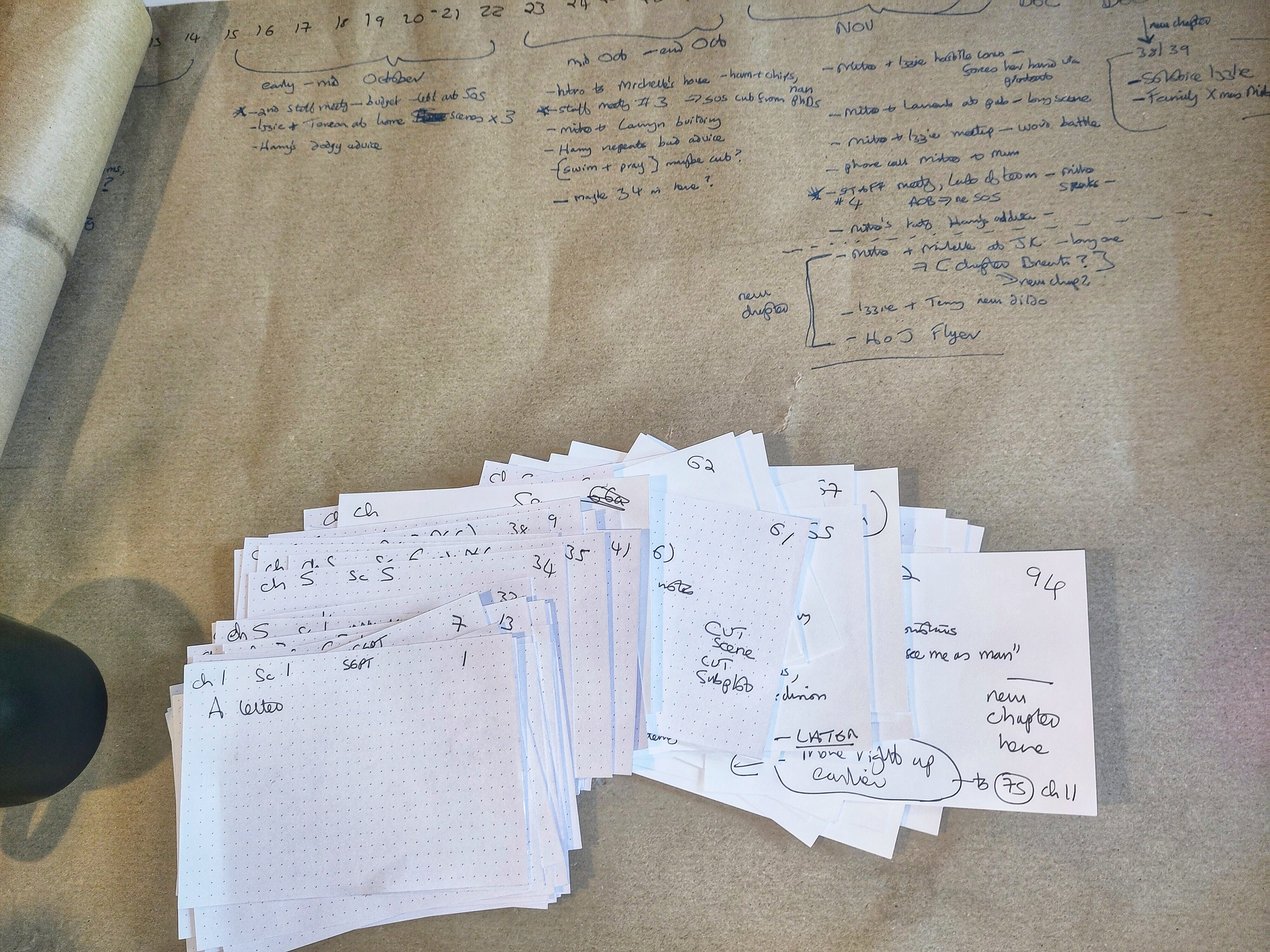
Horror and hilarity at all this melodrama - and determination not to be part of it - led me recently to cut out the entire (carefully planned and structured) main plot thread from my ms. Surprisingly, it’s now looking like a better book. So there ya go - axe your major plotlines, allow the characters to get on with it themselves.
Pistelli’s tale ends with a vilanelle and some shoulder-stooping poignancy. Misfired communications, lost chances, terribly bad decisions, are the motif here. The story introduces us to some characters and takes us through their lives, inner and outer, in a way that makes the bizarre and terrible things that unfold along the way appear almost reasonable, predictable.
Lamb, by Mr Troy Ford
Yes, that’s Mr to you, dearie: One of our Substack squad who is very active on the site (as are many), but not in ways that are insincere or hustle-led. Mr Ford has been active in building community and in being honest about his own life struggles in ways that are relatable, humble and helpful. But Ford is calm enough to be past personal angst or self-centredness, wise enough to reach out to us in acceptance of the whole deal that is life.
I read this fairly short serial novel in a long afternoon; I’d say a one-sitting is a very good way to read this one, if you can afford the time. This is because the story here very much revolves around the eponymous Lamb - it’s good to get up close to him and immerse a bit, while you try to know him and hear his heartbreaking story. (There’s also an audiobook version, so that’s brilliant for those who prefer that format. Print came out for Pride month 2025).
We meet Lamb in long and easy-to-read flashback chapters; and only grow to know him slowly and in a form that’s more collage than fractal, through the stories told about him by others: the lies from ex-boyfriends; the distorted memories of him from old university and schoolfriends; Lamb’s family’s uncomprehending projections and denials; the somewhat more reliable voice of the narrator, who was with him through a lot of Lamb’s life. The narrator’s feelings of guilt about the friendship’s rupture and around a sense of having betrayed Lamb are what, for me, motor the story. This goes alongside (in my reading) a wistfulness around not having at least attempted a more redemptive relationship of love with Lamb, as the narrator searches for clues and the truth about what happened - and how Lamb died (not a spoiler - we know this in chapter 1). Still, we realise as we read that, while we thought we knew this Lamb guy, there are stories we need to know and incidents that are significant.
I enjoyed the carefully-drawn details here of a long-term friendship that crossed social classes, taking us through fascinating worlds - from elite USA schools and into Burning Man and acid parties (with the memorable Count Crunchula), gay backroom bars, retirement homes for seniors with dementia, the West Coast IT scene and many more. Along with the narrator, we speculate about how Lamb left the world: AIDS? One too many drug parties? Finding out is not the point (although we do get to that information, in the final chapter). The point of this tender and agonising story of a messy life lived not-very-well, for me, became less about knowledge (who WAS Lamb? what was he like?) and more about emotions: the regrets we feel, the moments we struggle though, the love we make and miss and overlook.
By the magic of synchronicity, I also got to read another Substack story of male friendship in the same week. These two are perfect companion reads. We even get into some similar spaces (school and college years, parties with too many of the wrong kinds of drugs).
The Big T, by Clancy Steadwell
Persona Non Propria (rebranded) is one of Substack’s writers who hits that spot of -painful and intelligent, but also humorous. (I’m a Brit, and I’m also a human who will stand in favour of just about every pluralism going, so don’t nag me about spelling, darling! PNP is humorous, which means it’s full of humour hahaha, and spell that any damn way you like, fuck the spelling police).
I knew the novel would be clever and fun. I didn’t expect it to be so emotionally satisfying. Sometimes, a person’s notes or newsletter exactly reflects the tone of their longer pieces. Occasionally, as here, you get a surprise.
The narrator, Jude, is a shy nerd who bonds with Tommy, well-off son of a grocery-chain entrepreneur, whose own deep bookishness comes wrapped in a confident and extravagant personality. When new kid Jude makes the mistake of reading all 3 books from the summer reading assignment, bringing classmates’ ridicule on himself and an inevitable ostracism when the teacher publicly praises him for it, Tommy leaps in to pal up with Jude and tells the bullies,
“Only an imbecile despises reading,”
knowing well that the response of the bullies will be,
“Imbecile? What the eff is an imbecile dude?”
From then on, it’s Jude and Tommy through school and into adulthood.
I’m going to come back to this novel in a post I’ve long been planning.
I want to re-read Big T alongside two others - Peter Schull’s Why Teach & James Worth’s Mars in Retrodgrade. That’s 3 books with something to say about masculinities - a topic that I did academic research in for a few years, and that will never not be interesting to me.
Here’s something: all three of these books take journeys through the lives of young men; and all three are, for me as for many, among the very best work that we’ve seen on Substack. Don’t tell me men aren’t interesting, or that novels about men don’t pull readers. When the men are as drenched in conflict and complexity as these ones - you’ll want to read about them.
If you can’t wait for my nerd-synthesis via masculinities theory (I know you’re yearning for that, eh?) but want to hear more right now, here’s a few linky-links:
Naomi Kanakia (who, btw, wrote one of the best campus novels I’ve read in all my immersion into the field), tells you why you need Shull’s book, here. Read her review, then take a look at her majestic and delicious Katabasis. It’s a perfect tale for this season.
Brock Eldon reviews Big T but also gives us the bonus of a convo with the author, right here.
Ian Barr gives you a synopsis, a review, and echoes all of our thoughts, when he tells us about Mars that,
“I have no real complaints about this book”, just over here.
The people’s philosopher Mona Mona posted a helpful outline of one strand of theory that has been very influential in masculinity studies. (Yes, that’s a thing. Of course it’s a bloody thing. Wish more people would read a bit of it. Here’s a collection with a piece in it from me, when I was still pro nerding. It’ll remind you, as anthro always does, that what gets claimed as human nature or universal is totally not so).
So yeah, I want to sit with Mars, Big T and Why Teach and introduce them to each other and to masculinity theory and see if I can do some sort of thing with that. Whether I manage will all depend on whatever my large and complicated family do next. There’s always something going on around here.
Day, by Michael Cunningham
I admit that I downloaded this book because of the endorsement on it from Ocean Vuong. I’d so wanted to read Vuong’s ‘On Earth’ but stalled early (as soon as the monkey appeared) because even the first lines of that scene disturbed me enough that still now, over a year later, an image of that monkey sometimes sneaks into my mind and I have to swerve very fast and whoosh it away with an enormous mind-Roomba.
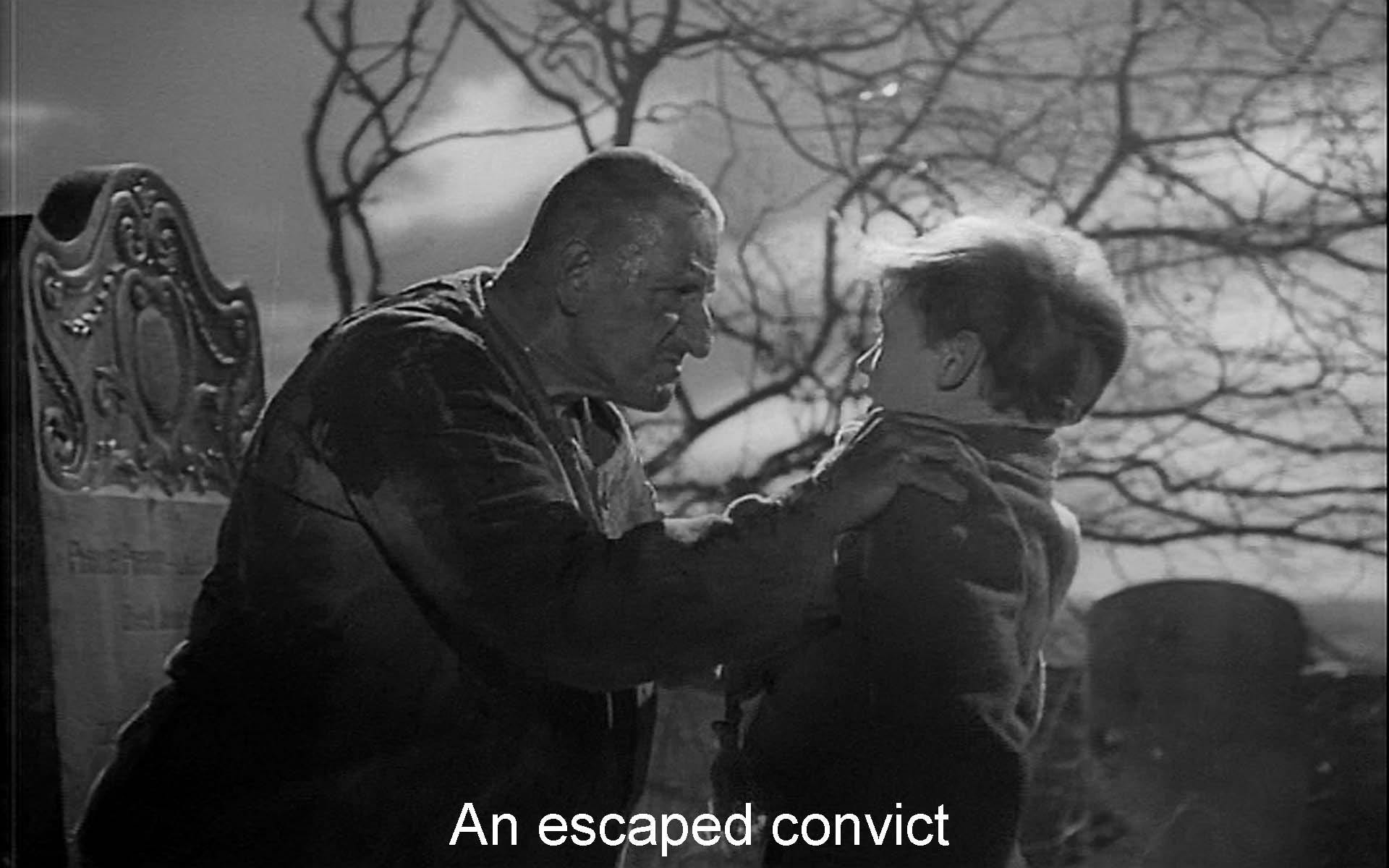
Hyperphantasia - great when you’re writing, but severely shit when you’re a reader. I’m still dealing in my head with this scene from a film I saw as a child:
Anyway, I couldn’t read Vuong’s novel, but maybe I could meet his consciousness in some way, by reading a book that he says he loved? (I’ve read the recent hate for Vuong and honestly? Couldn’t care less. Haters gonna hate. Same for Tao Lin - I’m still following and reading his work, too. I’m suspicious of all fashions, trends, backlashes: I used to read NME as a teen, I’m a bloody anthropologist (right next door to Cultural Studies) so I’m very tuned in to the sociology of how processes work around build-up and take-down.
Back to Day, then.
I was bored shitless by the adult characters, entranced by the writing. This was writerly-writing. Poet-writer kind of writing. Smooth and easy where it needed to be, arresting and unexpected where it wanted to point something out to you for especial attention.
The only character that made any kind of sense to me was that magical kid. Even she wasn’t magical enough - I would have liked more.
So that’s my reaction. Sorry.
Moustache, by S Hareesh, translated from Malayalam by Jayasree Kalthil
While I’ve been immersed in the process of writing my own full-length fiction, I’ve been struggling with several things. POV (whose? how many?); tone (how do I scrub the academic-ese properly out from my prose?); voice - why is mine confidently apparent in short-form writing but unexpectedly absent from my book ms?
An ex read a couple of my early chapters and urged me to be braver, to dive into the absurd and the surreal that they (as an ex) know well to be living lavish and plump lives in my head.
They recommended this book.
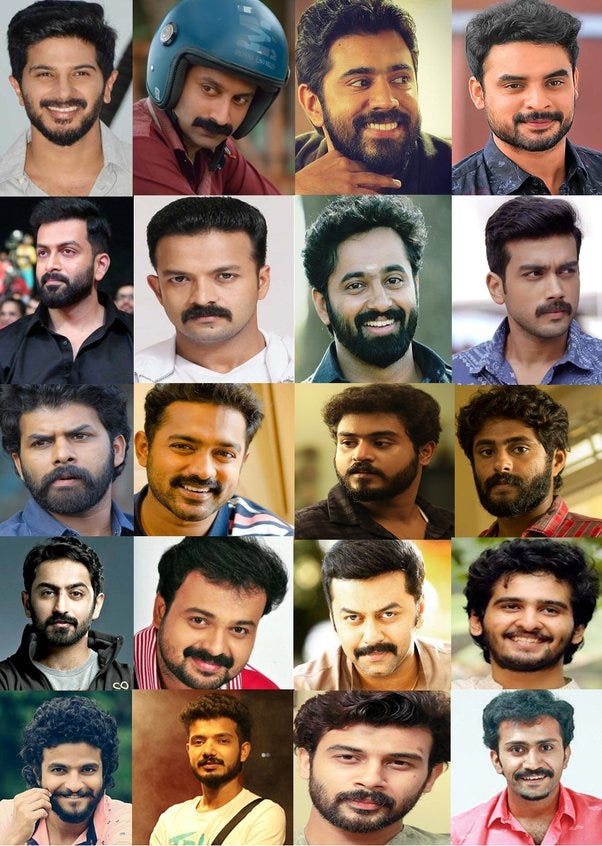
It’s the story of a moustache (a very culturally significant feature in south Indian gendered life) that has a life of its own.
After a couple of days where I considered re-writing my whole ms from the POV of the university building (or of bringing in a few objects to comment on the action), I decided that this would be way too confusing, risky and inconsistent.
I did a profoundly deep dive a few years back into OOO (Object Oriented Ontologies) - a form of thinking that tries to de-centre the human and allow objects their own agency. If you really must nerd on this, here’s a decent intro to what and why*. I still stand by the fundamentals of the new materialism, and I was, last time I checked, also starting to come around to some sort of panpsychicism. (For why this becomes logical, check out this quick’n’dirty pop summary). Ask me in comments if you really want to dig in more to the academic side of this.
A sincere aim for me in the On Campus ms that I’m writing (in torment and joy) is to communicate widely. I’m totally over writing nerd-papers for academic journals, where there exist only around 300 people in the entire world who are furnished with the necessary background reading and knowledge to engage seriously with the article. I’ve never cared for prestige, and the academic game feels very distant to me by now. I absolutely do not want to do another academic book, or make a load of money by writing a textbook or primer. Fiction, then.
I’ve flirted with magical realism in some of my short stories, produced tales told from the POV of a bit of furniture or a room in others; but for this book, I’ve always known that I wanted to write something that could easily and happily be read by people who prefer a straightforward narrative. If only my mum reads it, that’s fine - but she should be able to read and enjoy it. I’ve always claimed that On Campus is ‘character-driven but issue based’ and I’m keen to air those issues in plain sight. No talking photocopiers or sentient swimming-pool, then. (Not saying never, tho’.)
Tell Me I’m Worthless, by Alison Rumfitt
I throttled my horror about horror for long enough to read Rumfitt, because this book looked like something properly original. I love Chuck Tingle’s most outré works. The Physical Manifestation Of Cancelled Plans Gets Me Off Because Deep Down I Kinda Didn’t Want To Go? Yes, then! Trans Wizard Harriet Porber and the Bad Boy Parasaurolophus? You know I loved that trans wizard Harriet!
Rumfitt is writing in a genre very far from anything I usually read - and that’s my excuse for not getting the meta-theme until quite late on in the story. I was immediately absorbed by the setting, the writing style and the characters, such that it took me a while to intellectualise it all, and decide that it was about the ways that England is utterly haunted by bigotry and violence. As an anthro, I’m used to talking about colonial nostalgia, zombie capitalism, imperial melancholia and so on, so for me, the house itself was England. (Not far off, from other people’s readings).
Like (reportedly) everyone else who read this book, I enjoyed the Morrissey allusion; I guess because we loved that boy for a while, doing his vegetarian flower-loving campery. Until he opened his mouth and let his bigotry tumble out. The poster-under-the-bed and its antics felt too real. (I would think that doing drugs and then reading this book could send you into some terrible places - so don’t do it, darlings. Read sober).
The ending got uncomfortable for me - not because of the gore, not because Hannah had to die (she so did), but because of the implied ‘kiss and make up’ politics. That pissed me off, ngl, after going through a whole story where I felt that the horrors of Ila’s experience had been subjugated a bit to Alice’s. Ok, Alice was the protag, but Ila was not given proper space, nor were the miseries of racism and anti-semitism properly horror-fied. And in the end, I noticed myself feeling pissed off and anxious about whether Ila had been whitewashed by the connection with Alice. I had a bit of a feeling that Ila had been denied the space to work out how to belong properly to ancestors and community. The representation at that point didn’t feel comfortable to me. I dunno, need to think more about that, probably. Maybe it’s a deliberate authorial move? An implicit commentary on what happens to BIPOC people in queer space?
Overall, I am glad that I pushed past my, “Will this give me nightmares” anxieties and onwards into reading this book. Give it a try, I’d say; there’s enough bits of humour and recognisable absurdity to leaven out the gruesomeness as you read; and when society is as fucked up as it is, perhaps horror is the best genre we have.
Now that I’ve handled Rumfitt, maybe I’ll have a go at reading Tingle’s Camp Damascus; I mean, how full of grue can it get?
Mars in Retrograde, by James Worth
Ok, you might have seen me praising this one in Notes. All sincere, all authentic. I bloody loved this book and I was impressed. Massively impressed.
Every time I thought about this book, and about the story and the ending, I felt some kind of hope and contentment that, wherever this fuckshit of a world is headed, we’re going to be ok - because the kids are ok. Their writing is a demonstration of it. There’s a spirit of hope and kindness and anti-nihilism in this generation - and in this book - that persuades me to hold onto the hope**.
This novel is so fucking gorgeous I can’t decide where to start on it.
It’s all about everything and it’s all connected and I need to talk about every aspect of it all, I mean it - all of it, like yeah, you have no idea how many things are bubbling in my head that need an out, ouch, how am I going to get this communicated in linear wurdzzzzz while I wait for them to invent proper telepathy that actually works?
Right - get in line, thoughts! Stop embracing and pawing each other and get a bit of space between you - you’re embarrassing yourselves!
Yeah, I deplore a modernist depth metaphor (ew, this book is not a fucking striated rock and nor is your heart) but ‘deep’ is a way for me to get over to you in conventional language that this book has - not layers (ew, it’s not a sodding victoria sponge cake) but many, many, threads. You’ll come back and find new things. I’ll try to pull some of that out in my overdue-but-in-my-heart discussion of the three novels I’ve promised to come back to.
And now to books I tried, but didn’t get through yet …
Fallout -
I tried so many times to get back to this. It’s the format - the (lack of?) linearity, the maze of the Substack serial presentation format, that kept pushing me away. Maybe I’m lazy, maybe I’m greedy for wanting a whole book in one juicy big gulp, maybe it’s just another one of those neuro thingies that’s blocking me.
While I manned up and tackled Lamb’s Substack Table of Contents format; and while it worked (but only because I read the entire short thing in one sitting, clicking forward each chapter and on to the end in one hyperfocus afternoon) - this ‘click next chapter’ business is not how I want to read.
It’s especially challenging when book chapters appear in an author Substack interwoven with other posts. What is this? It feels like watching satellite telly in the 1990s - We interrupt your flow of cognitive immersion and emotional liquefaction to bring you - something else. No. Not doing it. Doesn’t work. Why do I pay for stooopid music streaming apps? Because if I’m into a musical situation, I want it to be uninterrupted. So yeah. Authors! Please line your books up into one piece. (And, while I’m here - get OFF Spotify and try Qobuz. You can look up why. There’s plenty of reasons).
Also - I want to pay authors. And I’d rather do that as a one-off payment for a one-off full book. When I hit chapter whatever of Steadwell’s Big T, it really messed up my mind to have to 1/ make a decision to let go of my negative stance towards paid subs and 2/ interrupt, go and do that subscription thing, before I could read on. I’d have willingly shelled out upfront for the whole thing, because that’s how I always bought books. (As it is, I took out a temp paid sub that so I could read it all, kept it going a few months, which seemed to me a reasonable ‘book purchase’ price, and then cancelled. Of course, I intended to cancel after 3 or 4 months, didn’t - and ended up subbing for months on end).
Thankfully, since I began this draft, both Big T and Fallout have appeared as actual books.
But …
Authors - Let Us Buy Your Online Books Directly From You!
Authors - may I offer you two very cool and cheap examples of how to do it if you want to connect with readers like me? (Cos no, I’m not unique darling, whatever mumsy thinks, and there will be other potential readers who you’re missing because of this chapter-by-chapter-serial business).
Firstly -
James Worth
James set up a simple author website, set up for the purpose of allowing readers to access Mars in Retrograde in one beautiful single file. This is how I read the book - in a one-day sitting. I downloaded an e-pub, I read it onscreen. At the end - I cried and I was happy; my joy persisted for several days. It was worth the money. Cheaper than a matcha coconut milk and bringing a more lasting pleasure. James has since then got the book out for real; the e-pub bridge was helpful in the early phase.
Hauwa
I love the newsletter from Hauwa and wanted to support her work. I was able, with one click, to buy her whole comic book (for an embarrassing cheap price, fuck global income inequalities) via PayPal and get an instant delivery to my email. It’s a great book - and being able to see Hauwa’s story in graphic form added so much.
From the blurb:
The book will have you cackling at various stages due to the unhealthy amount of trouble Hauwa seems to get herself into. And of course, there is her partner in crime & boyfriend, Kabiru, who might just kill her out of frustration, if she doesn’t get to him first.
Funny, painful, relatable vignettes of a life lived under high-pressure but with grace. And available on a single click to PayPal!
This is a good moment to raise (yet) again the question of global inequalities within Substack’s payment model. Authors from Nigeria, India, Philippines are writing beautiful work for us but cannot get paid because Stripe only operates in certain locations. This is utter late capitalism peak bollox. Racial capitalism, even.
Righty-ho, that’s this round of reading reactions. My life surely must soon become a bit less lifey, so I’m hoping to write more over 2026. 2025 was, erm, a bit too much.
If you subscribe, I send out occasional emails to subscribers only, with tiny life and writing updates. At my age, I am not about to start living online or in public, so while I’m all over Notes (check out my notes! Time shortness means that I put much more up there than I do on posts), as regards the kind of relationship and authenticity that’s most meaningful - I only put that out into the slightly more private space. That means non-public occasional emails for Subscribers only. If you’d like to know more about what I’m doing, if you appreciate the odd backstage moment - sign up below.
Want to go back now to that first round of mini-reviews I did, without all that tiresome scrooooooollllling? Here ya go!
*This discussion is not an ethnographer’s mugwort dream, nor a philosopher’s cynical technical excercise. Anthro has always had to think about how it understands what we used to call animism: OOO brings it back home and feels like it could offer climate crisis activists some basic philosophical arguments. Countercultures and grassroots activists have allegedly de-centred the sovereign, are building flat structures and rhizomic networks - but we have a long road to go in spreading this. Also, far too many people are still stuck in 19th Century humanist thinking. Ew. The arrogance of it!
**If James reads this, sorry I called you a ‘kid’, love - I feel I’ve reached the age now where it might not be patronising, but gentle? My granny spoke about everyone under 40 as, ‘that little boy’ or ‘that little girl’; it was *never* meant to be mean, but more of a tender recognition that when you’re young, life can be hard and the future a bit terrifying. I parent kids who are now in their 20s and yeah, I use ‘kid’ as an affectionate term, from an elder for whom the whole world of people under 30 are all our kids.
THANK YOU Caroline for your lovely and thoughtful review, and for this excellent list of other Substack books. I'm sorry I didn't see this sooner for my year-end roundup. Love what you said about nixing the dark academia angle (if I read that right) in favor of the letting the characters have the story they really need. Hope you're having a lovely holiday, my dear. 🩷
oh, I still feel like a kid most days. no offense taken in the slightest. thanks as always Caroline for your love and support of this novel. means so much to me that it's stuck with you for this long, really a whole year later. appreciate you very much!!